

Current Exhibition
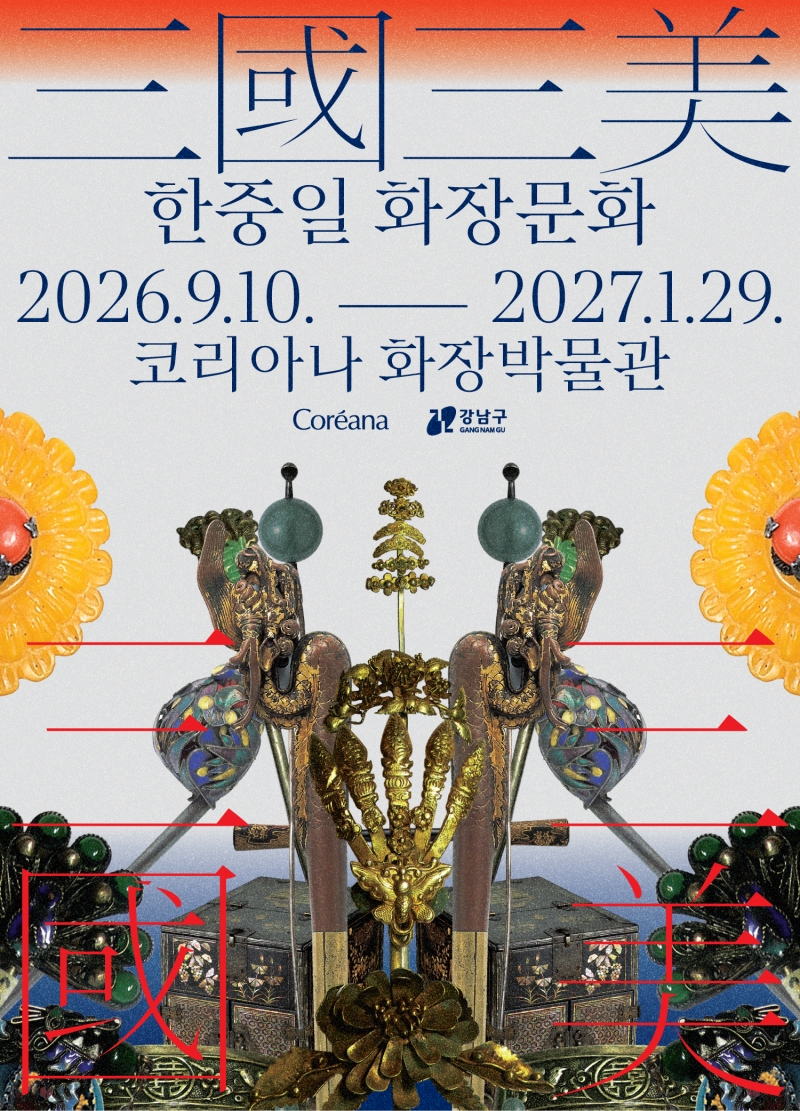
-
TitleTraditional Beauty Cultures in Korea, China, and Japan
-
PeriodSeptember 10 – January 29, 2027
-
VenueCoreana Cosmetics Museum's 6F
-
Introduction
Everyone wishes to present themselves beautifully. This desire has long been expressed through clothing, jewelry, hairstyles, and cosmetics. Korea, China, and Japan have a long history of exchange, which has also influenced the cosmetic culture in each of these countries. In ancient times, pale skin, dark eyebrows, and rosy cheeks and lips were considered the ideal beauty for women. To achieve this, the three countries developed white face powder and red rouge, creating their own distinct makeup styles based on their unique cultures.
In Korea, women preferred natural makeup highlighting clear and clean skin. In China, women favored bright and bold makeup, while in Japan, women used white face powder liberally to create a pale complexion. In this way, the three countries established unique makeup traditions reflecting their sociocultural backgrounds and ideals of beauty.
This exhibition features cosmetic boxes, bronze mirrors, and hair ornaments carefully selected from the Coreana Cosmetics Museum collection. It offers an opportunity to deepen our understanding of these distinct cultures and discover what true beauty means to us, from the past to the present.
Supported by Coreana Cosmetics, Co., Ltd.
Special Exhibitions
-
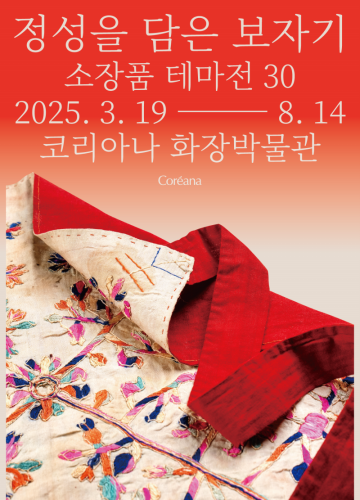 2025.3.19 - 8.14
Since the ancient times, bojagi has been used for practical purposes, such as a protective covering or wrapping cloth for various household items. During significant ceremonies such as weddings and funerals, specially crafted bojagi were used to wrap gifts and offerings, they were meticulously c...
-
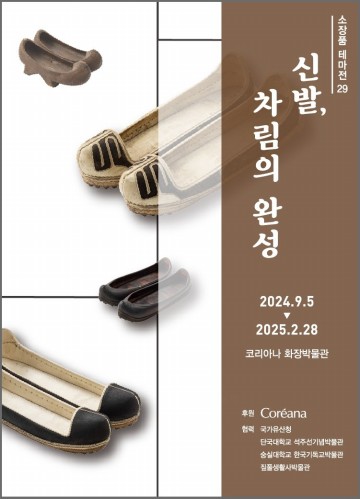 2024. 9. 5 – 2025. 2. 28
 -
.jpg) 2023.3.2. – 6.10
2023.3.2. – 6.10This year in 2023, in celebration of its 20th anniversary, the Coreana Museum of Art is hosting an exhibition entitled TIME/MATERIAL: Performing Museology to present the works of globally renowned contemporary artist Meekyoung Shin. Since the inauguration of space*c in 2003, based on the founding mo...
-
.jpg) 2022. 6. 16 - 9. 30
2022. 6. 16 - 9. 30 -
.jpg) 2021. 11. 23 - 2022. 5. 20
2021. 11. 23 - 2022. 5. 20 -
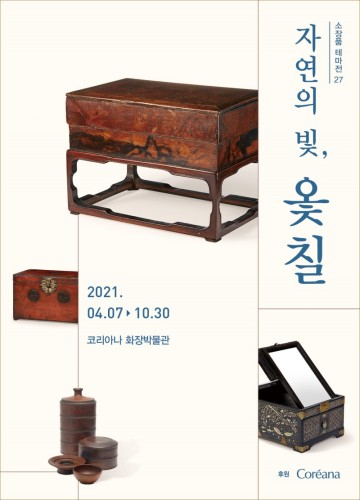 2021. 4. 7 – 10. 30
 -
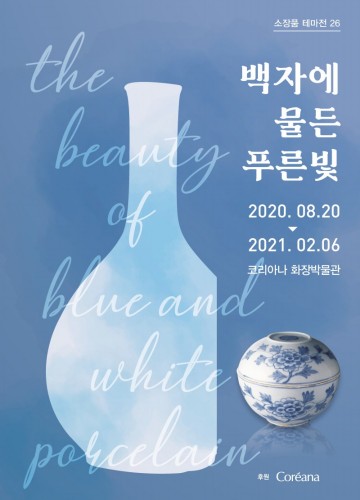 2020. 8. 20 - 2021. 3. 4
Our days are imbued in a wide variety of hues; colors accompany us on every corner of our lives. From old, white has symbolized integrity and moderation while blue has signified hope, life, and growth. Etched into the very fabrics of our diet, accommodations, and attire, these two colors were...
-
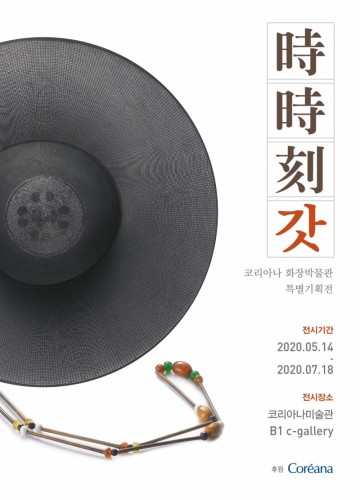 May. 14 - July. 18, 2020
Throughout our history, hats have served as a cultural marker of social status and rank in addition to satisfying practical and ornamental needs. Gat, in particular, reflects the authority and dignity of the Sadaebu(scholars who gained government posts in the Joseon Dynasty) with its wide-rangin...

06024 827, Eonju-ro, Gangnam-gu, Seoul, Republic of Korea | T : +82.2.547.9177 | F : +82.2.547.7749
ⓒ 2017 space*c All Rights Reserved.